
Restorative solutions that flow from revolutionary science

Who We Are

Our mission is to forge new frontiers in cardiac care by pioneering science-driven and measurable advancements to restore heart valve patients to healthy function.

We are focused on disrupting heart valve disease and restoring healthy heart function. Our team focuses on tackling clinical gaps and redefining positive outcomes by developing cutting-edge solutions designed to mimic the heart’s native physiology.

Our Technologies

A New Class of TAVR

Designed with physicians for patients, DurAVR® Transcatheter Heart Valve (THV) uses a single-piece, native-shaped biomimetic design built to mimic the performance of a healthy aortic valve. 

Latest News

News, Presentations and Interviews

Latest News

News, Presentations and Interviews

Beyond the Gradient: Restoring Native Flow with TAVR for Enhanced LV Recovery
  • presentation
  • featured news

Beyond the Gradient: Restoring Native Flow with TAVR for Enhanced LV Recovery

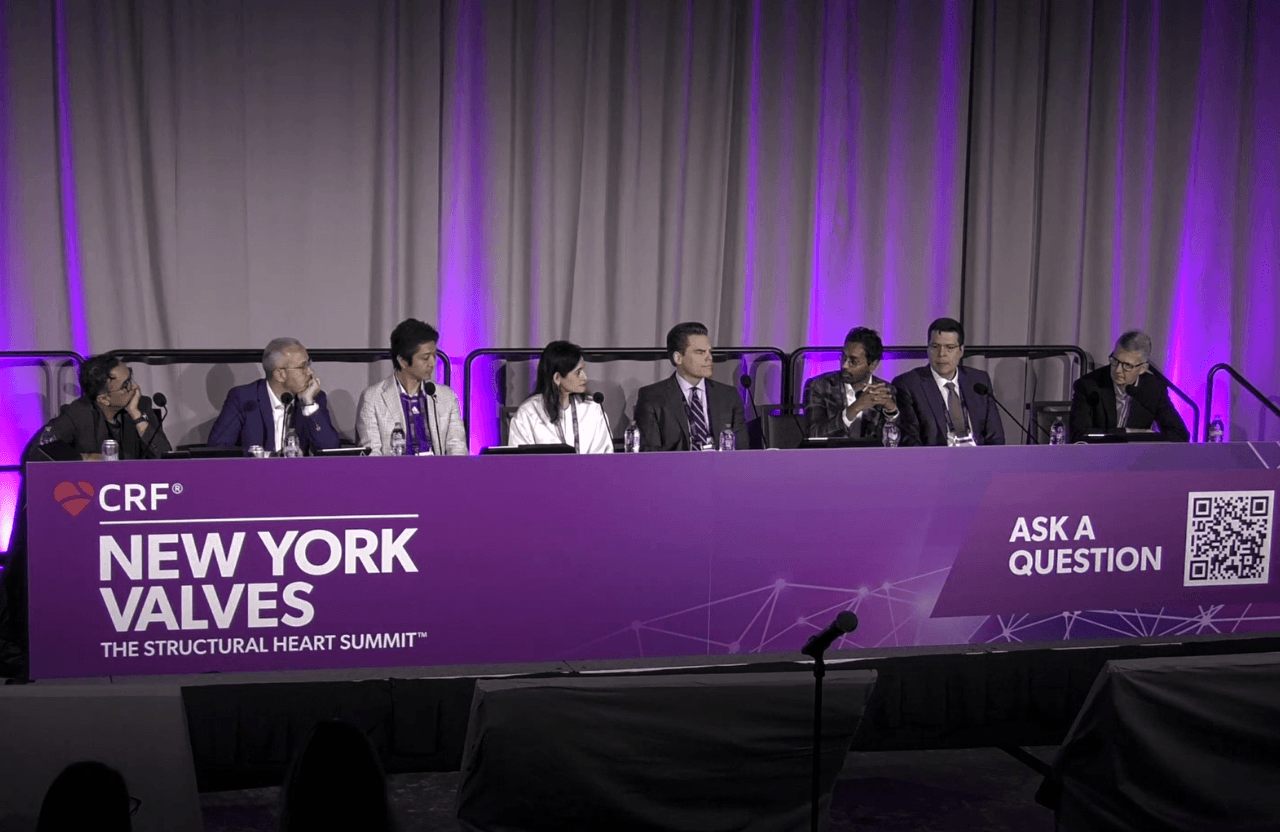
Despite favorable post-TAVR pressure gradients, some patients continue to experience symptoms. In this New York Valves symposium, experts explore the role of physiologic flow patterns after TAVR and discuss early data suggesting that commercially available transcatheter valves may not restore healthy, native laminar flow.


Pressure gradients are helpful measures for diagnosing valve disease and quickly assessing pre- and post-TAVR valve performance—but they don’t tell the full story when it comes to optimal flow, and patients may still experience symptoms after TAVR even with good gradients (<10 mmHg). In this recorded symposium from New York Valves, learn more about flow patterns and what impact restoring physiologic flow patterns may have on patient outcomes after a TAVR procedure and early data revealing that commercially available TAVR do not restore physiologic laminar flow.


Full Agenda:

  • Biomimetic TAVR: What is it and why do we need it?
  • Case: How do we understand TAVR success in 2026?
  • Aortic stenosis is more than a valve disease
  • Valve performance: More than just the gradient 
  • The science of post-TAVR aortic flow: What the MRI data are telling us
  • Building the evidence base: What the field needs next


Presented by: Mohamed Abdel-Wahab, Anita Asgar, Joao Cavalcante, Tsuyoshi Kaneko, Amar Krishnaswamy, Azeem Latib, Brian Lindman, Stephan Windecker

How can physiologic laminar flow be quantified?
  • interview

How can physiologic laminar flow be quantified?

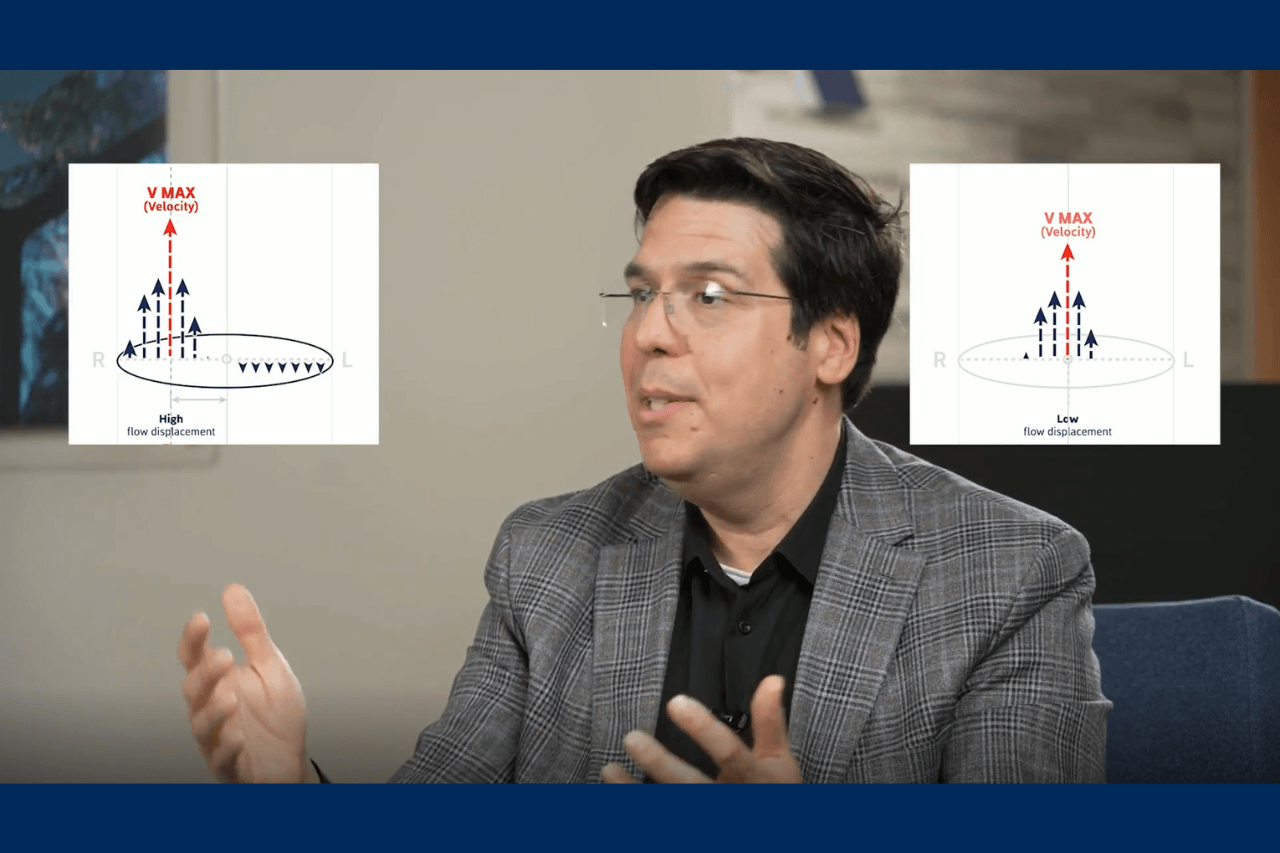
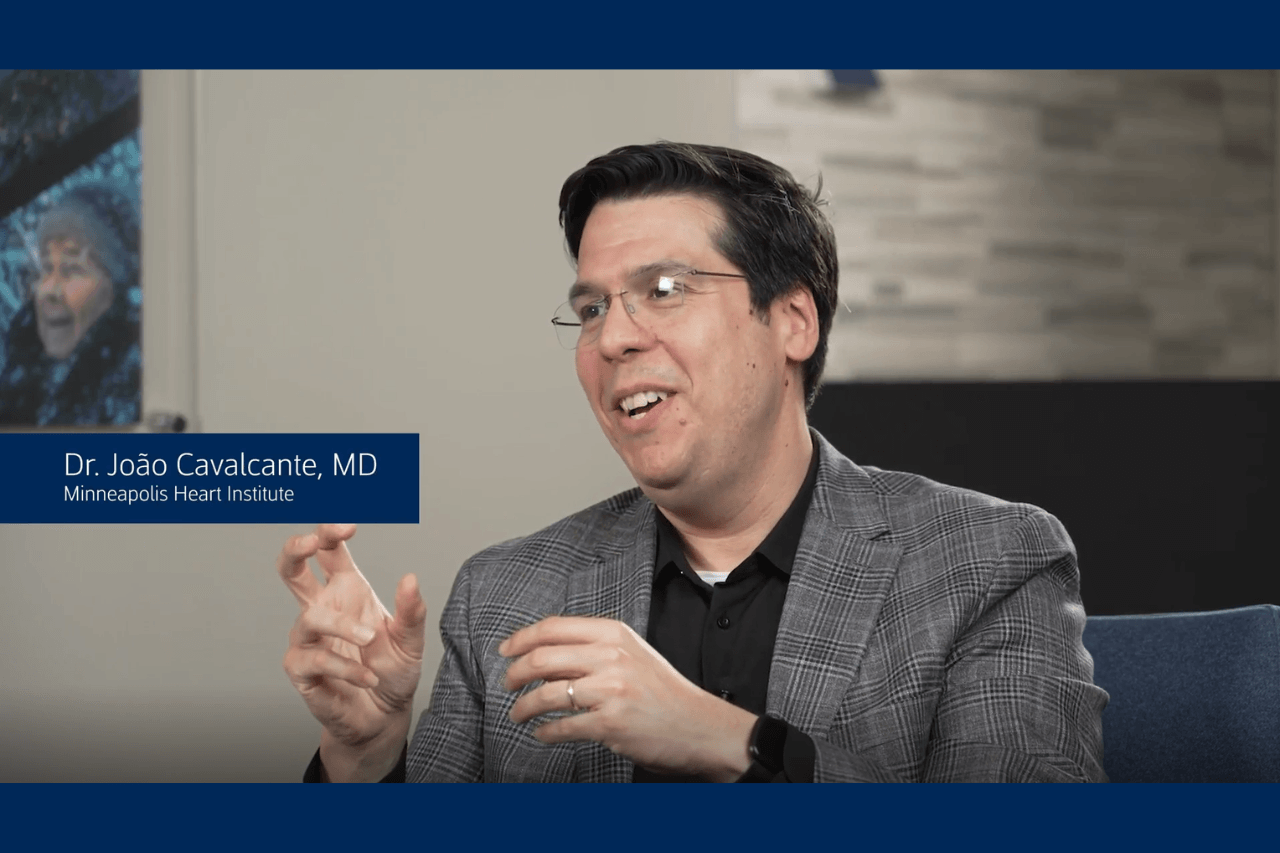
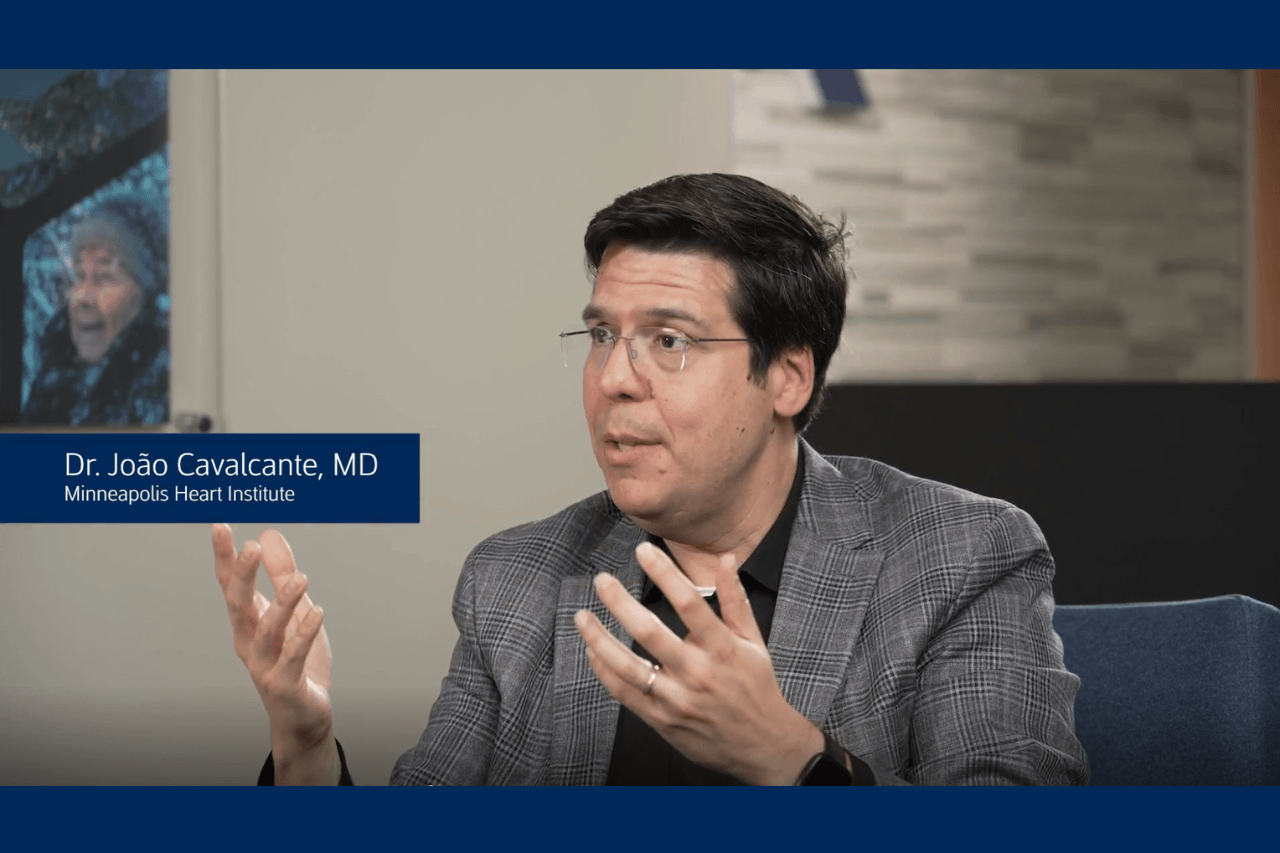
João Cavalcante describes the two key cardiac MRI metrics imagers use to quantify aortic flow patterns. 

How does AS affect the vessels and myocardium?
  • interview

How does AS affect the vessels and myocardium?

João Cavalcante explains how aortic stenosis has both upstream and downstream impacts apart from the valve. 

What does LV mass regression mean for patients?
  • interview

What does LV mass regression mean for patients?

João Cavalcante explains how patients may feel after reverse LV remodeling following a valve replacement.

What is Biomimetic?
  • interview

What is Biomimetic?

Anteris Chief Medical Officer Christopher Meduri explains the rationale behind the unique single-piece, native-shaped design of the DurAVR® Transcatheter Heart Valve.

What is laminar flow and why is it important in TAVR?
  • interview

What is laminar flow and why is it important in TAVR?

Imaging expert João Cavalcante explains flow dynamics and what flow patterns are seen in healthy vs. stenotic valves. 

Why is left ventricular mass important in aortic stenosis?
  • interview

Why is left ventricular mass important in aortic stenosis?

João Cavalcante summarizes the physiologic mechanisms that contribute to LV hypertrophy.

DurAVR® THV Retrospective Analysis
  • presentation

DurAVR® THV Retrospective Analysis

At the CRT conference, on behalf of Dr. Rishi Puri, Dr. Jeffrey Popma presented a new retrospective analysis comparing DurAVR® THV vs. Edwards Sapien 3.


The aim of the analysis was to compare 30-day hemodynamic and clinical outcomes of DurAVR® THV vs. Sapien 3 in small aortic annuli (area ≤ 430 mm2). Inverse probability of treatment weighting was used to account for baseline differences. The analysis shows: 


  • DurAVR® THV demonstrated favorable hemodynamics with significantly lower mean gradients, larger EOAs, and higher DVI compared to Sapien 3. 
  • DurAVR® THV was associated with a significantly lower frequency of patient-prosthesis mismatch (PPM), with 98.5% freedom from moderate or severe PPM.
  • 30-day safety event rates were comparable between DurAVR® THV and Sapien 3.
Aortic Valve Area Reduction: A Novel Concept to Quantify Aortic Stenosis Severity
  • presentation

Aortic Valve Area Reduction: A Novel Concept to Quantify Aortic Stenosis Severity

Presented at London Valves and sponsored by Anteris, Dr. Miho Fukui’s research focuses on a new concept that uses a percentage in aortic valve area (AVA) reduction for determining disease severity, rather than applying the same AVA cutoffs to all patients despite different valve sizes.

London Valves 2025 Physician Interview
  • interview

London Valves 2025 Physician Interview

Hear perspectives from Prof. Ole De Backer and Prof. Nicolas Van Mieghem about the recent DurAVR® THV data and the PARADIGM Trial in this 2-part discussion series. 
 
Part 1 highlights the PARADIGM trial—the first all-comers, head-to-head TAVI trial and the first TAVI trial designed to evaluate post-procedure blood flow patterns using cardiac MRI. With participation from 80 centers across the US, Canada, and Europe, recent FDA IDE approval, and first enrollments already completed in Denmark in October, the PARADIGM Trial is expected to enroll quickly, and the data gathered will be used to support future commercial approval of the DurAVR® valve for patients across all risk categories. 
 
Part 2 focuses on Prof. De Backer’s presentation of 30-day outcomes from 100 small annuli DurAVR® THV patients, providing early insights into clinical performance. DurAVR® THV demonstrated a favorable hemodynamic profile at 30 days, including 97% freedom from moderate or greater patient-prosthesis mismatch (PPM).1


De Backer O. Oral Presentation at: PCR London Valves; Nov 2025; London, UK.